




*Exclusions apply. By subscribing, I confirm that I am 18 years of age or older and agree that my personal information may be used by SafetyEyeglasses.com to send me news, special offers, and other marketing communications. For more details, please review our
Terms & Conditions and Privacy Policy. You may unsubscribe at any time.
-
Safety Glasses
-
Collection
Feature
Shop By
-
- eVouchers
Blog
Polycarbonate vs. Trivex Lenses for Safety Glasses
Safety glasses are more than just a choice of frame style. Your lenses are the first line of protection between you and workplace hazards, including flying particles and debris. They also play a crucial role in the quality of eye protection you experience and whether your eyeglasses feel comfortable after a long shift.
When ordering protective eyewear, most industrial buyers compare polycarbonate vs trivex lenses. Both materials comply with strict safety requirements but have some differences in weight, optical sharpness and cost. Choosing the wrong material can result in costly purchases, heavy frames, or peripheral distortion. Understanding the properties of each type of plastic allows you to match your eyewear to your tasks and prescription needs.
Understanding Polycarbonate and Trivex Lenses
Understanding the manufacturing process and properties of each lens material and the reasons safety engineers use both is helpful before comparing performance specifications.
What Are Polycarbonate Lenses?
Polycarbonate lens material was originally used in aerospace visors and soon became the preferred choice for industrial eye protection. The injection molding process, which involves melting plastic pellets at high temperatures and pressing them into a lens mold makes these lenses. Polycarbonate lenses safety glasses are a go-to choice for many sports equipment, construction sites, and manufacturing floors because of the material's flexibility in the face of sudden force.
What Are Trivex Lenses?
PPG Industries' Trivex lenses were developed in 2001, originally for military helicopter windshields as a urethane-based pre-polymer. Trivex is not injection molded plastic, but cast molded like traditional optical glass. This process of slow curing yields a very pure internal structure. Modern trivex safety glasses offer military-grade impact resistance and clear vision, making them a favorite choice for prescription lenses and special trivex reading glasses.
Polycarbonate vs. Trivex Lenses: Understanding the Key Differences
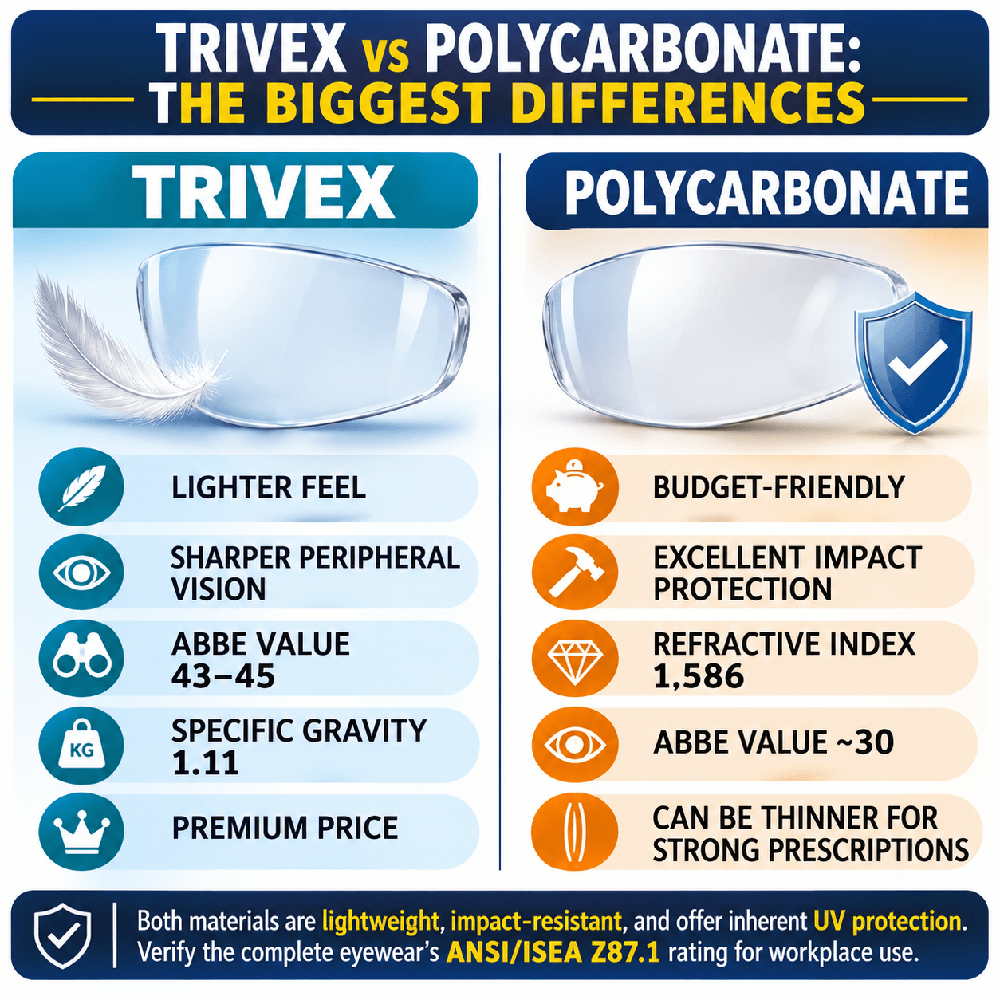
When comparing the two, trivex vs polycarbonate, there are 5 major considerations that stand out in how they work on the job.
Impact Resistance
Both polycarbonate and Trivex are used in impact-resistant prescription eyewear. However, the material alone does not determine whether a product meets ANSI/ISEA Z87.1 requirements. Plastic will not shatter if hit by metal chips, wood splinters or falling tools. Under the most severe tests in laboratories, Trivex is slightly stronger than polycarbonate in terms of resistance to cracking around rimless or semi-rimless frames.
Weight and Comfort
Trivex is the lightest optical lens material on the market today, with a specific gravity of 1.11 versus 1.20 for polycarbonate. Trivex provides a noticeable reduction in nose bridge pressure during extended shifts, and both feel lighter than standard plastic or glass.
Optical Clarity
One of the biggest differences between Trivex and polycarbonate is optical clarity. Trivex is cast molded (not injection molded) to eliminate internal stress waves. Trivex has a higher Abbe value of 43-45, while polycarbonate is at 30. A higher Abbe means fewer colour fringes and sharper peripheral vision. Some wearers may notice trivex high-definition lenses are significantly sharper for reading fine gauges or for examining circuit boards.
Lens Thickness
The refractive index of polycarbonate is 1.586, and the trivex index of refraction is slightly lower at 1.532. For mild to moderate prescriptions, the thickness difference isn't noticeable. For stronger prescriptions, polycarbonate bends light more efficiently, resulting in slightly thinner edges.
UV Protection
Both polycarbonate and Trivex offer inherent UV protection. Trivex is reported by PPG to provide 100% UV protection. Check the manufacturer's specifications for the actual UV protection of your chosen lenses.
|
Feature |
Polycarbonate |
Trivex |
|
Refractive index |
Approximately 1.586 |
Approximately 1.53 |
|
Abbe value |
Approximately 30 |
Approximately 43–45 |
|
Specific gravity |
Approximately 1.20 |
Approximately 1.11 |
|
Weight |
Lightweight |
Generally lighter |
|
Optical clarity |
Good |
Generally better chromatic performance |
|
Impact resistance |
Excellent |
High |
|
UV protection |
Inherent |
Inherent |
|
Lens thickness |
Can be thinner for some prescriptions |
May be thicker for some prescriptions |
|
Scratch resistance |
Benefits from hard coating |
Benefits from hard coating |
|
Cost |
Often more affordable |
Often carries a premium |
Trivex Lenses vs. High-Index Lenses: Which Is Better?
Customers with strong prescriptions frequently ask about the difference between Trivex and ultra-thin high-index plastics.
What Are High-Index Lenses?
High-index lenses are made with special dense plastics that refract light at a higher rate, ranging from 1.60 to 1.74. Eye doctors suggest them primarily to keep strong distance or reading prescriptions thin, light, and cosmetically slim.
Trivex vs. High Index: Main Differences
High-index lenses are good for light prescriptions, but are not suitable for industrial durability. Many conventional high-index prescription lenses are not designed or certified for occupational impact protection. Their suitability depends on the specific lens material and complete eyewear assembly. Always verify the product's safety rating before workplace use. Trivex provides certified workplace impact protection and exceptional Abbe clarity, making it safer for active job sites. High-index lenses are for everyday office lenses; Trivex is for the shop floor.
Are Trivex Lenses Impact Resistant? What About UV Protection?
Safety managers often determine whether lighter, clearer lenses affect the underlying protective properties.
Is Trivex Impact Resistant?
Trivex not only satisfies FDA drop-ball requirements, but it also satisfies strict ANSI Z87.1 high mass and high velocity impact requirements. The material absorbs heavy kinetic energy even at a thin center profile without cracking or splintering toward the eyes.
Does Trivex Have UV Protection?
UV protection is incorporated in the polymer itself. Unlike regular CR-39 plastic lenses that get scratched with a surface UV coating over time, Trivex permanently blocks all UVA and UVB sunlight in all eyewear.
Trivex Lens Problems: What Should You Know Before Buying?
No lens material is completely free of compromises. Checking out the restrictions can help you ensure you don't face any unexpected surprises when you place your order.
- Higher purchase price: Trivex will be more expensive to produce than injection-molded plastics, so you can count on paying about 20% to 40% more than you would for a standard polycarbonate option.
- Lower refractive index: For strong prescriptions (+/-4.00 diopters or higher), trivex can appear thicker at the edges than polycarbonate because the index of refraction is 1.532.
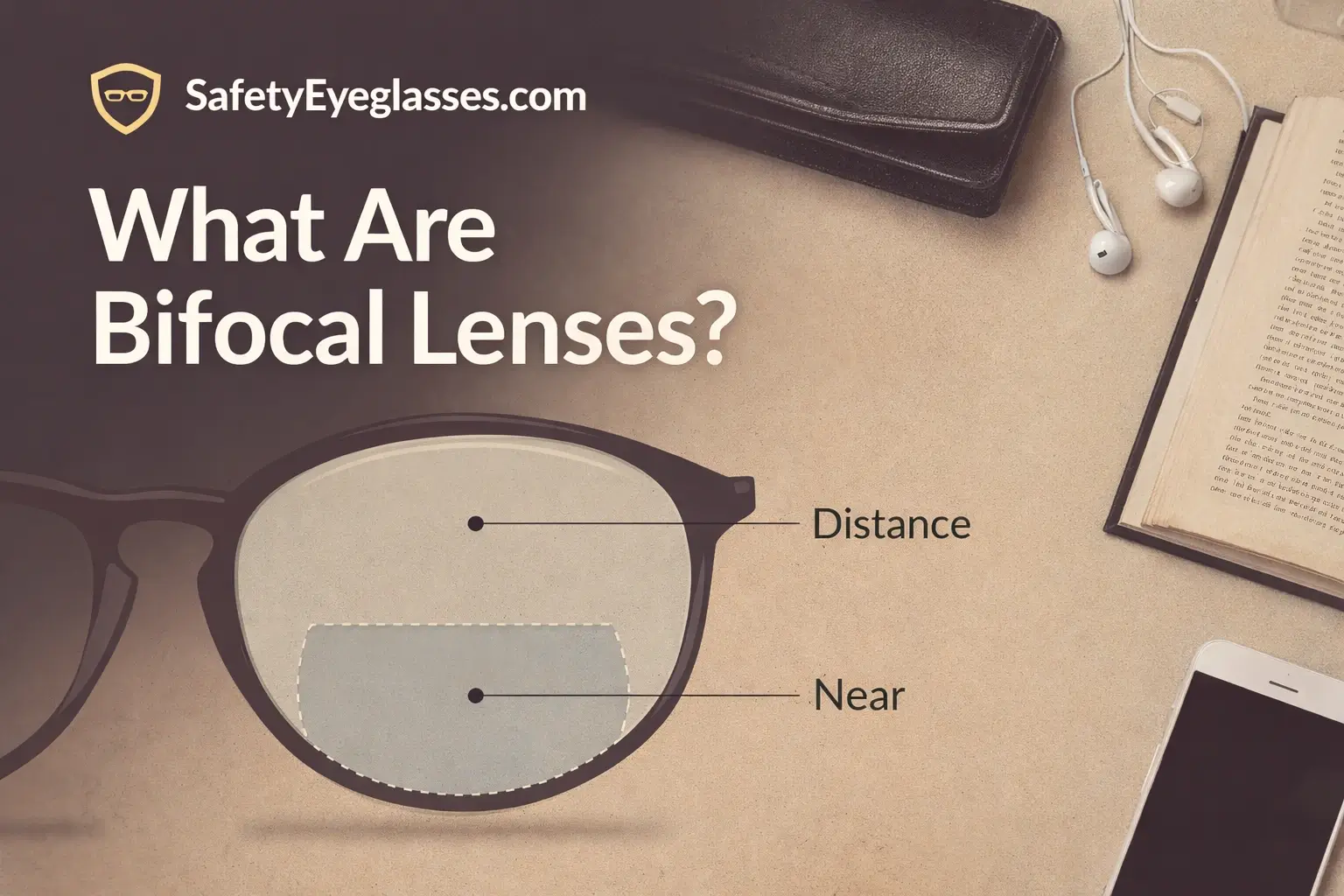
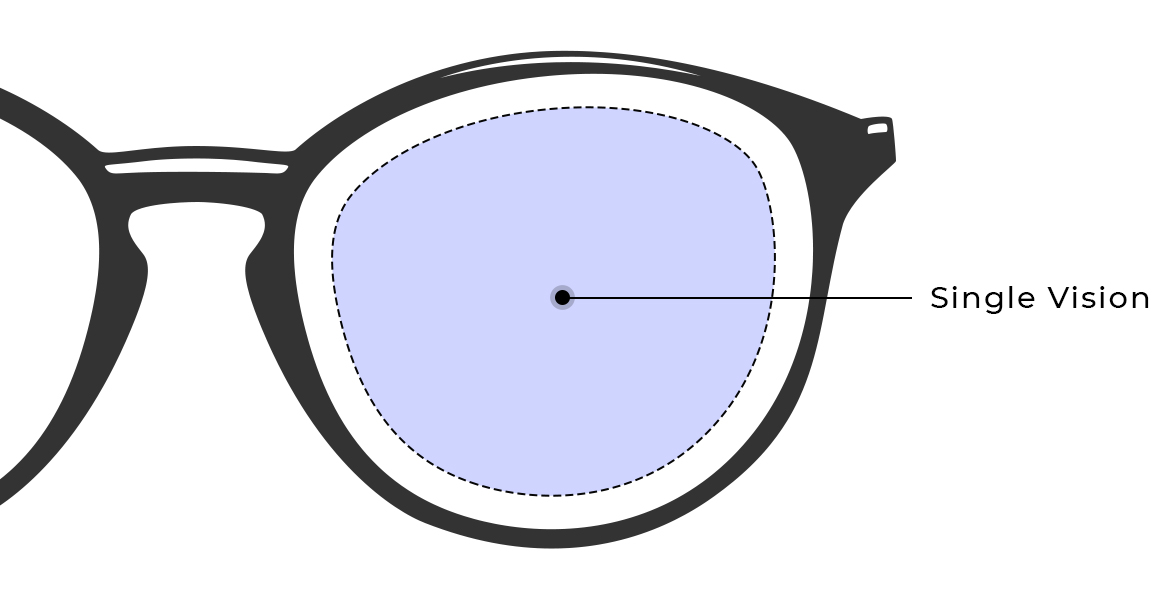
- Product availability: Popular single vision and progressive products will be widely available; special bifocal segments or special tint combinations may be less available.
- Scratch resistance: Like polycarbonate, Trivex can develop surface scratches during everyday use. A quality scratch-resistant hard coating helps protect the lens surface, although no coating makes lenses completely scratch-proof.
- Prescription compatibility: Extreme prism corrections or wrap-around high base curves may limit the lens blanks a lab can manufacture in Trivex.
Are Trivex Lenses Worth It?
The choice of upgrade is based on the daily work environment, prescription strength, and visual expectations.
When Are Trivex Lenses Worth Considering?
For all-day comfort and visual accuracy, Trivex really stands out. It provides immediate benefits to quality control inspectors, electricians, lab technicians, and drivers because of its higher Abbe value and zero peripheral distortion. If you get eye fatigue or color fringing with regular safety glasses, you will have the problem gone at once by upgrading to Trivex high-definition lenses. They are also suitable for semi-rimmed or drill-mount safety frames where structural tensile strength will not cause cracking.
When Might Polycarbonate Be the Better Choice?
Polycarbonate is still the clear choice for budget-conscious customers, for company-wide PPE initiatives and for workers who have robust prescriptions. Polycarbonate maintains lens edges slimmer and more balanced in full-rim frames when prescriptions are larger than +/- 4.00. It's also a good option for rough environments where lenses are frequently changed to prevent damage from abrasion or chemicals.
Who Makes Trivex Lenses?
Developed by PPG and introduced in 2001, Trivex is a lightweight urethane-based ophthalmic lens material designed to combine impact resistance with excellent optical performance. Modern, world-class optical companies such as Hoya, Younger Optics, Zeiss, and Essilor cast and distribute Trivex lenses, which are finished at certified prescription safety laboratories around the world.
How to Choose the Right Lens Material for Your Safety Glasses
Consider these five practical tips when choosing lens material for your next pair of protective eyewear:
- Workplace hazards: Identify whether your job involves flying metal debris, grinding sparks, chemical splashes, or overhead dust. Check for permanent ANSI Z87.1 designation on the lens you have selected.
- Prescription strength: Check your sphere and cylinder numbers. Mild prescriptions work well in Trivex, and higher powers suit polycarbonate.
- Visual needs: Assess the level of peripheral clarity and finer detail that your task needs. Trivex is ideal for precision assembly, blueprint reading, and night driving.
- Daily comfort: Consider how many hours you spend wearing your glasses per shift. Lighter lenses lower nasal pressure and ear fatigue during long work days.
- Budget: If you have a company budget, compare the total cost for the frame, lens material, anti-fog coatings and scratch coatings.
Find Prescription Safety Glasses at SafetyEyeglasses
Choosing prescription safety eyewear should be easy and quick. SafetyEyeglasses offers you hundreds of ANSI Z87.1-rated eyewear options for industrial workshops, construction sites, laboratories and outdoor trades.
Each product page lets you personalize your lenses to your exact prescription and job hazards. Available in either hard polycarbonate or crystal-clear Trivex; add permanent anti-fog coatings, scratch-resistant hard layers or photochromic tints. A licensed optical specialist before any lab work, assuring proper vision and reliable work environment safety checks each prescription order.
Polycarbonate or Trivex, Which Lens Should You Choose?
Both lens materials offer certified impact protection, lightweight comfort, and built-in UV protection you can trust on the job. For polycarbonate vs trivex lenses, the choice you make depends on the budget, prescription strength, and sharpness of your vision.
If you need reliable, budget-friendly protection or a slightly thinner edge for a solid prescription, go with polycarbonate. Choose Trivex for the lightest weight, best peripheral clarity, and sharp optical clarity over long shifts. In either case, properly fitted prescription safety lenses protect the eyes and maintain clear vision all day long.
See What's New
Get an exclusive first look at our latest promotions and collections!

50% OFF on Safety Frames
When Lenses Are Purchased. Enter your email to unlock this exclusive safety eyewear deal.


Leave your comment