












*Exclusions apply. By subscribing, I confirm that I am 18 years of age or older and agree that my personal information may be used by SafetyEyeglasses.com to send me news, special offers, and other marketing communications. For more details, please review our Terms & Conditions and Privacy Policy. You may unsubscribe at any time.
- Safety Glasses
Collection
Feature
Shop By
- eVouchers

Manufacturer
Filter by price
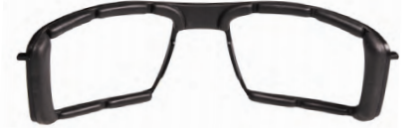
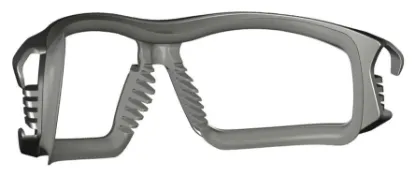
Pentax GT20 Insert
$10.00
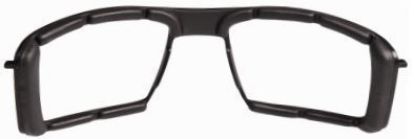
Pentax ZT400 Foam Insert
$15.00
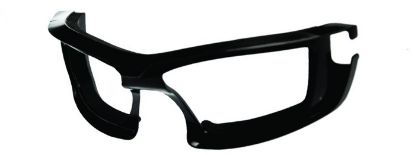
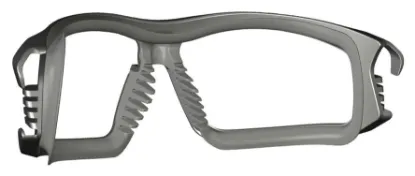
Pentax ZT500G Foam Insert
$15.00
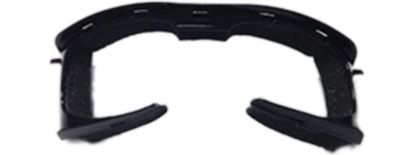
Pentax ZT25 Foam gasket
$18.00
Pentax ZT45 Foam Gasket
$18.00
ArmourX 6005 Cushion
$18.00
ArmourX 6006 Cushion
$18.00
ArmourX 6007 Cushion
$18.00
ArmourX 6008FS Full Seal
$10.00
ArmourX 6009 Cushion
$6.00
ArmourX 6010 Cushion
$6.00
ArmourX 6020 Cushion
$18.00
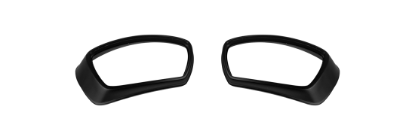
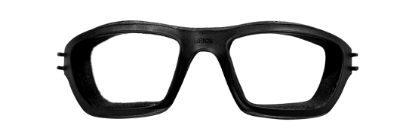
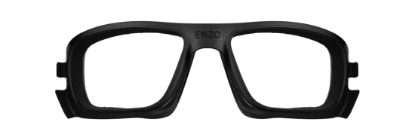
WileyX Boss Seal
$15.00
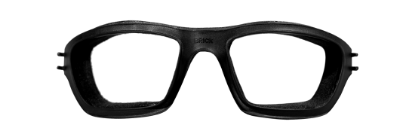
WileyX Brick Seal
$15.00
Wiley Gravity Seal
$15.00
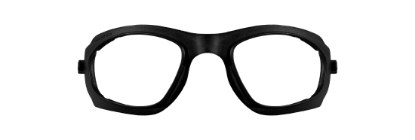
WileyX Sleek Seal
$15.00
- 27 RESULTS
Our Feature Categories
Safety Glasses with Foam Gaskets for Comfort and Dust Protection
Safety glasses help protect your eyes from workplace hazards, including airborne dust and flying particles. However, conventional frames may leave gaps around the face, allowing some particles to reach the eye area. Foam-gasket designs can help reduce these gaps while providing additional cushioning.
A foam gasket can help reduce gaps around the eyes, depending on the eyewear's design and fit. Workers throughout industrial facilities and construction projects use these special designs for additional cushioning during extended wear.
Conventional safety glasses may leave gaps around the brow and cheeks, depending on their fit and design. Foam-gasket models add a cushioned contact surface that can help reduce the entry of dust and other airborne particles. Their suitability still depends on the specific workplace hazards and the manufacturer's specifications.
Modern industrial operations require constant attention and reliable equipment. As soon as fine particles get into the eyes, productivity declines. You can avoid unpleasant incidents on the job by investing in certified safety glasses with foam inserts.
What Is a Foam Gasket on Safety Glasses?
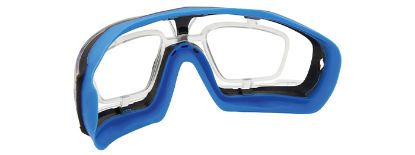
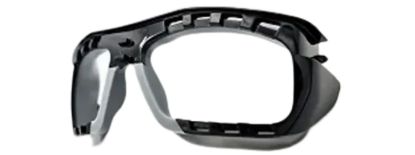
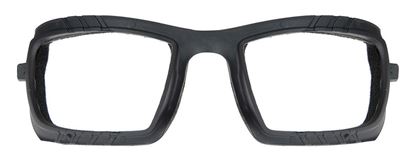
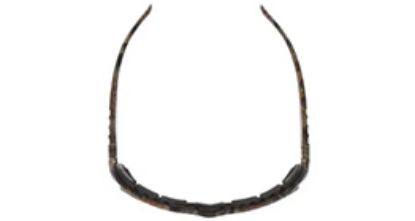
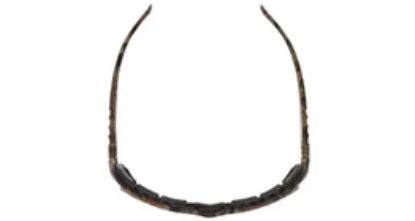
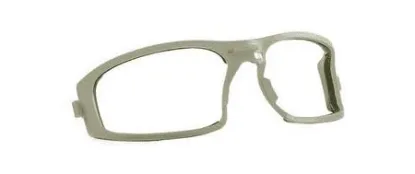
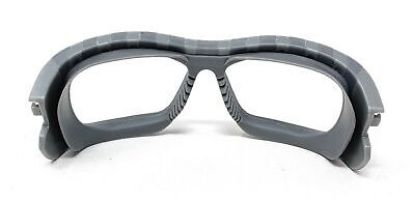
A foam gasket is a soft lining that attaches around the inside edge of safety glasses. It provides eyewear protection from contact with the face. This design helps minimize entry points for dust and debris.
A foam rubber gasket is used in many models to provide flexibility and cushioning. The material can adapt to facial contours, improving contact around the eyes. But the protection will depend on the full eyewear design and use.
A foam inserts glasses gasket seal does not mean airtight safety glasses. It does not protect from all workplace hazards either. Before choosing glasses for specific tasks, always check the manufacturer's specifications.
How Foam Gaskets Improve Fit, Comfort, and Dust Protection
Advanced cushioning technology is the key to reliable perimeter protection. The durable foam gasket seal conforms to the contours of your face. This soft border absorbs shock and can help limit the entry of fine airborne particles.
Manufacturers use different foam materials to provide cushioning and improve fit. A soft foam rubber gasket helps avoid painful pressure points during long shifts. These frames may improve comfort during extended wear.
Standard eyeglasses can fog up very quickly in sweaty or humid conditions. Some models feature anti-fog lens treatments or ventilation designs to help manage fogging. Performance varies depending on the eyewear and working conditions.
When to Use Foam-Gasket Safety Glasses at Work
Different industrial tasks present different eye hazards. Woodworking shops create a lot of fine sawdust, which accumulates on your face. Metalworking can produce flying particles and fragments.
High-quality foam insert glasses provide additional protection when selected for the relevant hazards. Soft inner padding protects against wind gusts throughout outdoor operation. Workers handling paints or chemicals should choose eyewear specifically rated for the relevant splash hazards. Check the manufacturer's specifications before use.
Choosing appropriate protective equipment is a way to protect your long-term vision. Comfortable edge seals and certified impact ratings offer unbeatable peace of mind. Improve your safety practice today, and choose eyewear suited to your workplace hazards and safety requirements.
Shop Safety Eyewear with Foam Gaskets
The ideal safety eyewear is both protective and comfortable to wear for everyday tasks. Before buying, think about your setting, potential risks and the protection you need. Explore SafetyEyeGlasses for options suited to your work environment and comfort preferences.
Before making a choice, compare lens types, frame designs, and gasket materials. Select a product with clear specifications and a stated safety rating appropriate for your intended use. If you do not know which style meets your needs, read the details or seek advice from a qualified safety professional.
The first step to protecting your vision is selecting the right equipment. Look for safety eyeglasses with foam inserts suitable for your work, comfortable to wear, and appropriate for your surroundings.

50% OFF on Safety Frames
When Lenses Are Purchased. Enter your email to unlock this exclusive safety eyewear deal.