




*Exclusions apply. By subscribing, I confirm that I am 18 years of age or older and agree that my personal information may be used by SafetyEyeglasses.com to send me news, special offers, and other marketing communications. For more details, please review our Terms & Conditions and Privacy Policy. You may unsubscribe at any time.
- Safety Glasses
Collection
Feature
Shop By
Blog
What’s the Rarest Eye Color?
Have you ever wondered why your eyes do not fit into one category when you look in the mirror? They appear emerald one time, then burnt sugar the next. Your curiosity is not alone. For the majority of people, it's a straightforward yes or no: brown-eyed or blue-eyed, but for a small percentage of the population, the answer is far more complex.
One of the first things we notice about a person is their eye color. It is a biological signature, a miniature work of genetics and physics. Although eye color is frequently thought of as a straightforward characteristic that is passed down like a family recipe, the reality is more intriguing. We're going to look at the global ranking of eye colors today.
The secret behind the “chameleon” iris and why certain colors are so elusive that they seem to be from another world. This is all the information you need if you want to match your own hue or are just interested in human anatomy. Be ready for the rarest looks in the world.
Eye Colors Around the World
First of all, to understand rarity, one must consider the baseline. There was one palette when human history started. It is believed that all humans had brown eyes when they were first created thousands of years ago. It wasn't until there were genetic mutations. People started moving to new climates, and the color palette of humans started to vary. The distribution of eye color today is a map of our ancestors' journeys.
Most Common Eye Color
Brown remains the undisputed heavyweight champion of eye colors. About 70 to 79 percent of the world's population has brown eyes. This is because the brown eye is pigmented with melanin, the compound that shields the iris from UV damage. Brown is not only common, but it is almost universal in many parts of Asia, Africa and South America.
How Rare Is Blue Eyes
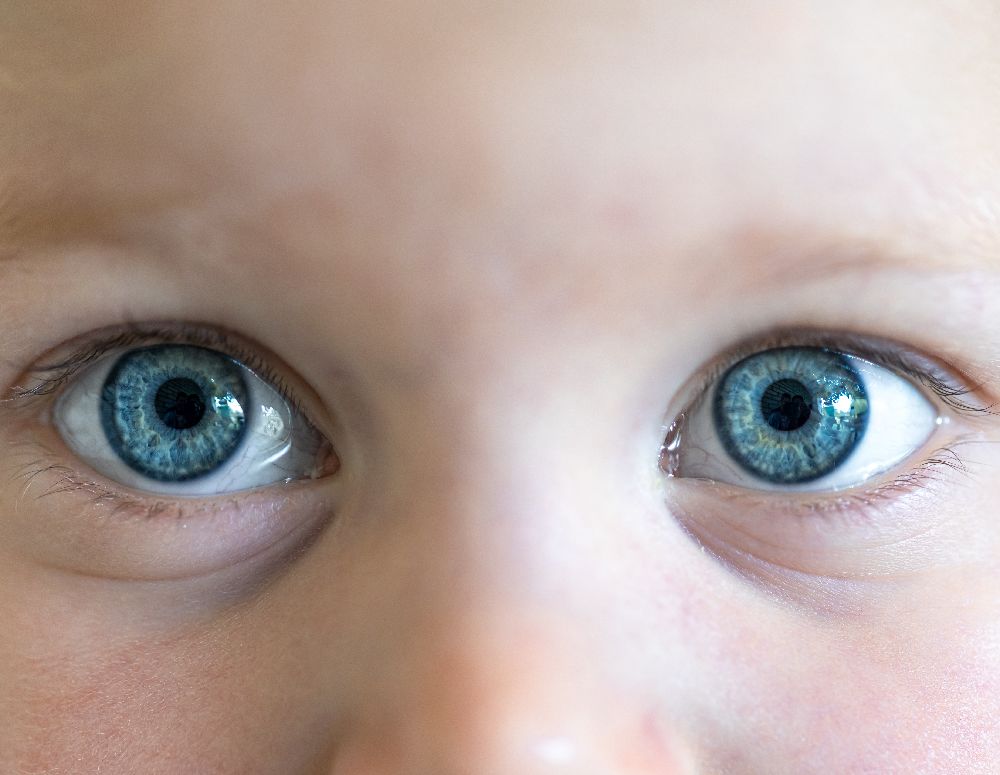
People consider blue eyes to be common since they are so prevalent in the media and in some locations. They are, however, a minority worldwide. The typical percentage of people with blue eyes is between 8% and 10%. According to scientists, all blue-eyed individuals worldwide may be traced back to a single ancestor. They were a people who inhabited the Black Sea region between 6000 and 10,000 years ago.
Dark Green Eyes or Dark Blue Eyes?

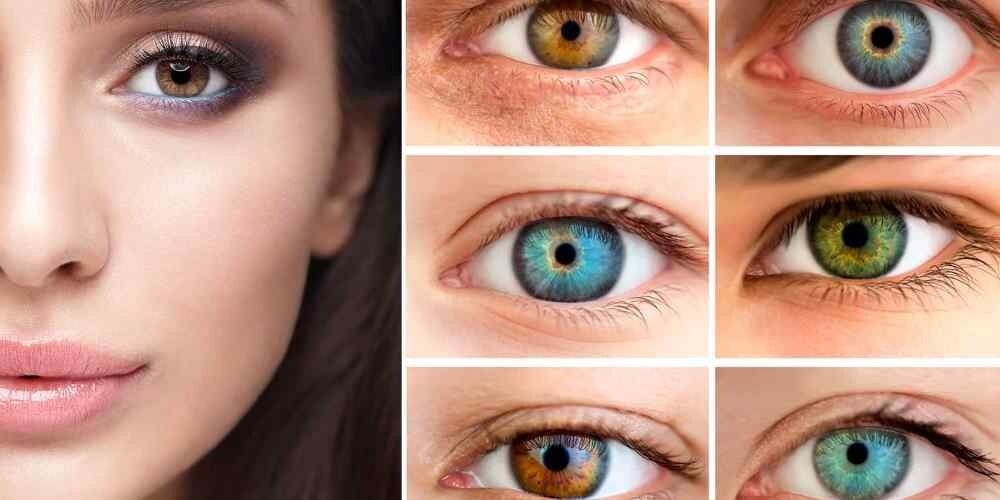
If you get in the “dark” variants, it becomes that much more exclusive. Dark blue eyes can look more like navy or violet in certain lights. They are uncommon due to the unique and low melanin structure, lacking any form of yellow pigment. Dark green eyes, however, are even rarer. Green is widely considered the rarest independent eye color in the world, appearing in only 2% of the population. Blue eyes are a lack of pigment. Green eyes are the result of a tiny bit of light-brown pigment mixing with a blue light-scattering effect.
Truth About Hazel Eyes
Perhaps the most misunderstood are hazel eyes. If you ask ten people what the word “hazel” means, you will receive ten different answers. Is it light brown? Is it muddy green? The reality is that there's no such thing as hazel; there's a combination. It's the "chameleon" of the eye world; it changes and shifts depending on the light you're standing under or what you're wearing.
Are Hazel Eyes Common
In the grand scheme of things, no. While you might see them often in certain Western populations, they are quite rare globally. Hazel eyes are a beautiful middle ground between brown and green, and because they require a very specific genetic "recipe," they don't appear as often as the solid colors.
What Percent of the World Has Hazel Eyes
It is estimated that currently only around 5% of the world's population has hazel eyes. However, contrary to popular belief, they are much less common than blue eyes.
Hazel Eyes Rarity
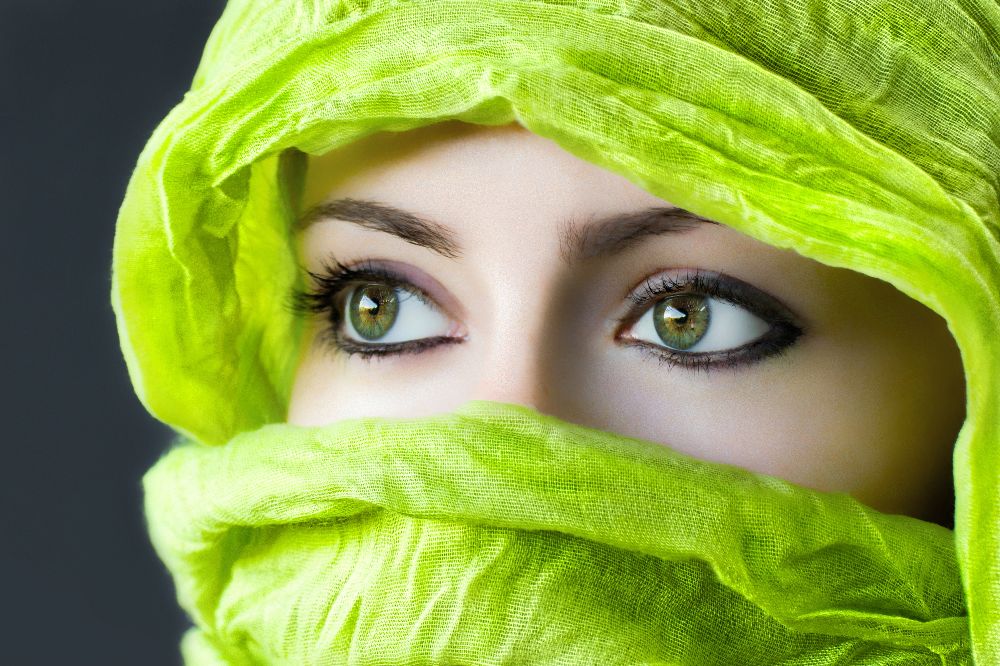
The rarity of hazel eyes is due to the distribution of pigment. A hazel eye contains melanin in a concentrated area around the pupil, whereas a brown eye has even distribution. The outer edge of the iris contains less melanin, which allows the light to scatter and produce a green/gold look. This "multi-tonal" look is what defines true hazel.
Grey Hazel Eyes Explained
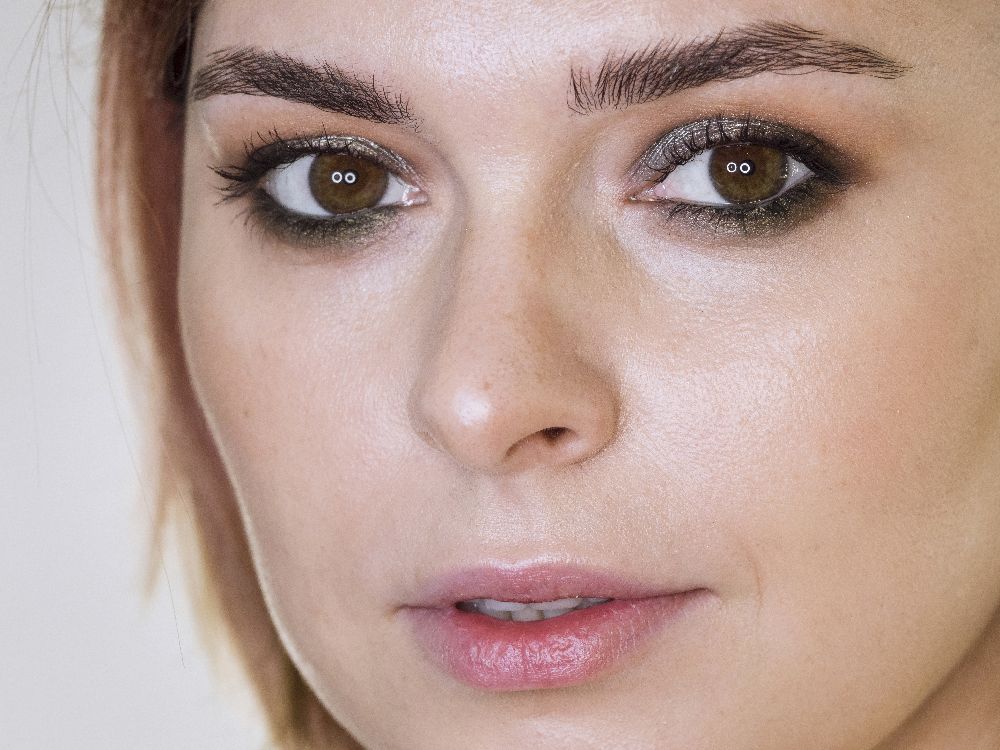
Sometimes, hazel eyes can lean into a "cool" territory. Grey hazel eyes occur when there is even less yellow or brown pigment in the outer iris. The resulting look is a mixture of a tan center and a smoky grey or blue-grey rim. These are often mistaken for grey eyes. But the presence of that warm, brownish ring around the pupil is the giveaway that they are hazel.
Gold Eyes and Unique Eye Shades
Some hazel eyes lean so heavily into the yellow pigments that they are described as gold eyes. In addition to being a poetic fact, lipochrome, a yellowish pigment, is responsible. In the sunlight, this results in a light brown ground hue that might give the eyes the appearance of polished brass.
Amber vs Hazel Eyes
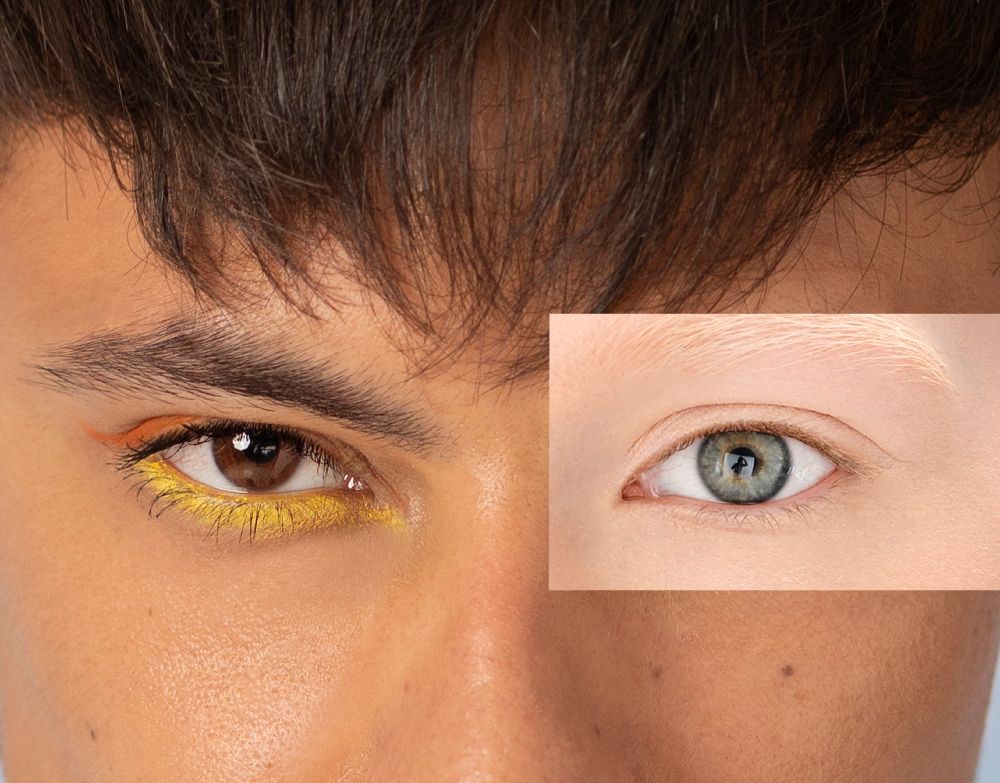
This is the most frequently confusing point. Amber eyes are consistent and even, with a yellowish-copper hue. They do not change. The hazel eye color is a mixture of many colors such as green or blue flecks. If the eye appears to be a solid block of amber glass, it is amber; if it has a forest appearance with sun-dappled dirt, it is hazel.
Genetics Behind Eye Color
We were taught in school for a long time that eye color is simply a dominant recessive trait: brown is dominant, blue is recessive.
Genetics Behind Eye Color
We were taught in school for a long time that eye color is simply a dominant recessive trait: brown is dominant, blue is recessive. If your parents had brown eyes, you’d have brown eyes. We now know that’s completely wrong. Eye color genetics is not a simple switch; it's more like a symphony.
Eye Color Genetics Made Simple
Eye color is the result of at least 16 different genes. OCA2 and HERC2 are the two main genes. Consider them to be the "master painters. The quantity of pigment supplied to the canvas is determined by one gene, while the position is determined by another. For this reason, a child born to two blue-eyed parents may occasionally have brown eyes.
Do Hazel Eyes have a recessive?
Hazel is a "polygenic" trait, which means that several genes cooperate to produce it. It isn't a simple recessive trait like blue. Instead, it’s a delicate balance of melanin. If you have enough melanin to be blue but not enough to be full brown, you land in the hazel or green territory.
Are My Eyes Green or Hazel
The "Mirror Test" is the best way to tell. Look closely at your iris. Is it one solid color from the pupil to the edge? If it’s a solid, translucent emerald, you have green eyes. Does it have a brown, gold, or "rusty" ring immediately around the pupil that transitions into a different color? If so, you are officially part of the hazel-eyed club.
Beauty Trends for Hazel Eyes
Hazel eyes are extremely versatile, making them popular in the fashion industry. They give you more options in terms of looks, since you can decide which ‘fleck' of color to highlight.
Makeup for Hazel Eyes
Make up for hazel eyes should have contrast. For a greenish look in your eyes, opt for red hues such as copper, mahogany or soft pinks. For the browns or golds, try navy blues or cool silvers.
Ideal Color of Eyeliner for Hazel Eyes
Avoid going all black. A deep purple or eggshell-colored eyeliner works wonders on hazel eyes. The green in your iris appears twice as brilliant since purple is on the other side of the color wheel from green.
Hazel Contacts for Brown Eyes
Since hazel is so desirable, hazel contacts for brown eyes are a top-selling cosmetic item. They use a "three-tone" print to mimic the natural depth of a real hazel iris.
Why Hazel Eyes Stand Out in Fashion
Hazel eyes are sometimes described as “photogenic” because they are so sensitive to studio lighting in high fashion. Two eyes in the same photo can look like a different color from a different model in the same selfie. They give them a dynamic look that will never be replicated by two solid brown or blue eyes.
Pop Culture and Famous Hazel Eyes
Celebrities often drive our fascination with specific eye colors. If a star has an eccentric look, it is part of their brand.
Kelly Clarkson Behind These Hazel Eyes
When discussing eye color, Kelly Clarkson's "Behind These Hazel Eyes" has to be mentioned. The song transformed physical attributes into a symbol of emotional strength. It also sparked a massive increase in people searching for their own eye color definitions back in the mid-2000s.
Sabrina Jordan Hazel Eyes
Sabrina Jordan is a popular choice when talking about "rarest eye color". Her eyes are a perfect example of how hazel can look strikingly different depending on her hair color or the light on the red carpet.
Why Celebrities Make Hazel Eyes Popular
We are naturally drawn to things that are "rare but recognizable." Hazel eyes fall right into that sweet spot. They're not quite as prevalent as brown, but less "electric blue" than many actors, and more "earthy" to be approached.
Protect Your Eyes Every Day
Your eyes, no matter if they are the rarest green or a deep, rich brown, are extremely sensitive. However, those with lighter or multicolored eyes have a few more things to worry about. In some cases, it will be sensitive to light.
They are generally yes. Melanin serves as the natural sunglasses of your eyes. More light reaches the retina in those with hazel eyes because their irises contain less melanin than those with dark brown eyes. Additionally, light sensitivity (photophobia), which manifests as squinting in bright situations, may develop from this.
Choosing the Right Eye Protection
UV is not the only reason to protect your vision: It's for safety. Standard sunglasses are not sufficient in the presence of dust, chemicals, or flying objects. You must wear protective equipment designed to resist impact.
Premium Safety Glasses from SafetyEyeglasses
At Safety Eyeglasses, we believe that safety should not be a compromise on style. If your eyes have a rare hue, such as hazel or amber, you need eyewear that will look great on you and provide the best eye protection. We offer a massive selection of premium brands like Pentax, Wiley X, and OnGuard.
The modern workplace demands more than "clunky" goggles. Today’s safety eyewear looks just like high-end designer frames. From full-rim plastic frames to sleek geometric metal frames, you can find all kinds of eye protection. These types of protective glasses are specific to the shape of your face and emphasise your eye color.
Quality prescription safety glasses ensure that your vision stays clear. No matter how rare your eyes are and their color, stay safe for a lifetime. Whether you're a safety manager looking out for a team or an individual looking for the best in optics, the right pair of glasses is the best insurance policy you can wear.
See What's New
Get an exclusive first look at our latest promotions and collections!

50% OFF on Safety Frames
When Lenses Are Purchased. Enter your email to unlock this exclusive safety eyewear deal.


Leave your comment