




*Exclusions apply. By subscribing, I confirm that I am 18 years of age or older and agree that my personal information may be used by SafetyEyeglasses.com to send me news, special offers, and other marketing communications. For more details, please review our Terms & Conditions and Privacy Policy. You may unsubscribe at any time.
- Safety Glasses
Collection
Feature
Shop By

Blog
How Rare Are Dark Blue Eyes
Ever look someone in the eye and feel you were looking straight into the deep ocean? One of the most interesting and simple parts of human genetics is eye color. When we meet new people, it is the first thing we notice.
While rich brown is the most common color globally, blue eyes always seem to turn heads. But not all blue eyes look the same. Some are bright like a summer sky. Others are incredibly dark, almost mimicking the evening twilight.
If you possess these deeper tones, you might wonder about their scarcity. The human iris can express an incredible range of values based on tiny genetic shifts. This comprehensive article explores the science, statistics, and unique characteristics behind these captivating darker iris variations.
Exploring the World of Deep and Dark Blue Eyes
Most people think of bright, cold blue eyes when they imagine a blue eye. But the darker side of the spectrum is definitely more captivating. These variants are not reflective, like a mirror. Instead, they seem to absorb it, creating an intense depth that can change entirely depending on your lighting conditions. It takes a unique structural formation within the eye to create an ink-like appearance. Let us look at what separates these velvety, deep tones from traditional, highly reflective light blue variations.
Understanding Midnight and Navy Blue Eye Variations
True dark blue eyes are often misidentified at first glance. In low light, they can easily look black or dark gray. It takes a direct stream of sunlight to reveal their true nature. Within this dark category, you will find midnight blue eyes, which have a smoky, velvety appearance. They carry a heavy mystery because their true color only emerges under the right lamp or direct solar rays.
There are also real navy blue eyes. These have a distinct, solid blue hue that remains rich and dark even under bright office fluorescent lights. These shades look strikingly deliberate. They provide a striking contrast to the white sclera of the eyes and make for an extremely definite look when gazing. This eye tone is equally deep and uniform, and people with this type seem to be wearing speciality cosmetic lenses.
What Makes Deep Blue Eye Tones Unique?
The secret behind very dark blue eyes lies in how light travels through the iris tissue. There is actually no blue pigment in human eyes at all. Every single person has some amount of brown melanin. If you have deep blue eyes, your iris stroma will contain a small amount more melanin than those with light eyes. This slight amount of pigment absorbs enough incoming light to darken the overall hue.
This prevents the eyes from looking pale or washed out. Pretty dark blue eyes offer the perfect aesthetic balance. They give you the rarity of blue eyes combined with the intense depth typically found in dark brown eyes. The cellular density in the stroma works together with the pigment layers to produce a look that feels both classic and exotic.
How Rare Are Dark Blue Eyes?
We should consider the population data around the world to fully understand this eye color. Darker pigments are favored in human genetics as they provide natural protection from the sun. This means that any light colored iris is an exception to the general rule. Darker eyes have been the standard feature in high-sunlight environments throughout history. Let us explore the exact numbers and scientific patterns. They show why these deep, ink-colored irises are so hard to find in the modern world.
Science and Rarity of Dark Blue Eye Variations
So, are dark blue eyes rare? Well, the short answer is yes. Around the world, the majority of people have brown eyes. If you walk into a room of many people worldwide, roughly eighty of them will have brown eyes. The remaining twenty slots are split between blue, green, hazel, and gray.
Because dark blue is just a small subsection of that remaining fraction, finding it is a genuine rarity. The genetic switches required to produce this precise depth of color are highly specific. Multiple genes must interact in a perfect sequence to suppress most melanin while leaving just enough to darken the tone.
Statistical Frequency of Deep Blue Eyes in People
Let us look closely at how common are dark blue eyes in the general population. Overall, blue eyes of any shade make up only about 8% to 10% of the global population. This number includes everyone with light blue, gray-blue, and greenish-blue eyes. True, rare dark blue eyes are estimated to appear in fewer than 2% of people worldwide.
This means that people with dark blue eyes are quite rare. The true deep navy blue iris is much harder to find in everyday surroundings than sky blue or ice blue. It needs a particular genetic heritage that doesn't scatter the light too much to obscure the midnight values.
Complete Guide to Different Shades of Blue Eyes
To understand where dark blue fits, it helps to view the entire blue spectrum as a map. The human eye can express an incredible variety of color values based on cellular density and genetics. There are no two blue eyes exactly alike under a microscope. Let's dissect these lovely variations into separate groups that are grouped by how they interact with light.
Classifying the Main Types of Blue Eyes
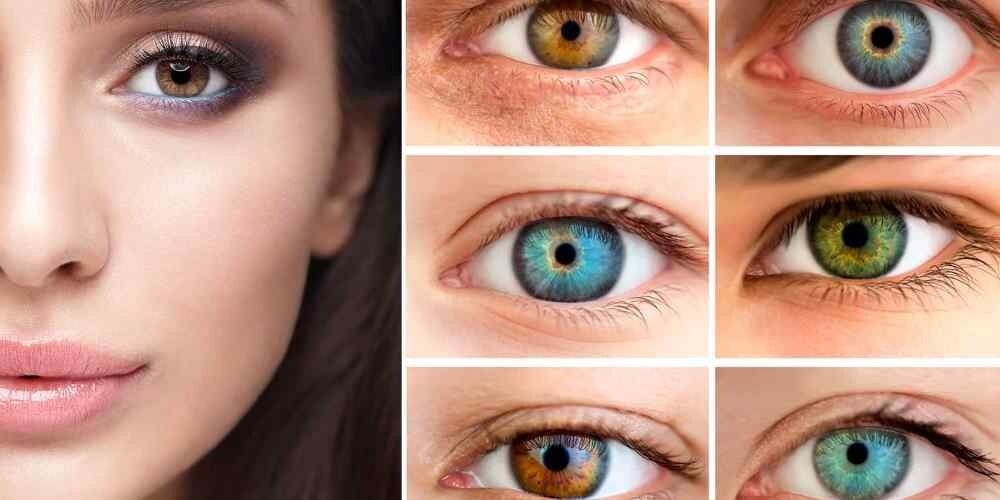
An eye color chart contains several distinct types of blue eyes. At one end, you have the highly reflective, pale variations. The extreme ends are the deep saturated tones we have talked about. Let's break these shades of blue eyes down into a simple, easy to read reference table:
Main Types of Blue | Visual Characteristics | Light Reflection Level |
Ice & Sky Blue | Pale, clear, highly vibrant | High reflection, low absorption |
Gray-Blue | Soft, muted, silver undertones | Moderate reflection, neutral tones |
Deep & Navy Blue | Saturated, rich, ink-like appearance | Low reflection, high absorption |
Midnight Blue | Extremely dark, looks black in shadow | Minimal reflection, maximum depth |
Natural vs. Rare Blue Color Variations
Every single one of these different shades of blue eyes is entirely natural. They are all caused by the way collagen fibers scatter light in the stroma. This physics principle is exactly why the sky looks blue to our eyes. However, the natural shades of blue eyes change dramatically based on geographic ancestry.
Light blue tones are relatively common in Northern Europe. As you move toward Southern Europe or the Middle East, the different shades of blue naturally deepen. It makes true navy tones a wonderful genetic bridge between regional populations. These deeper forms illustrate the adaptability of human genetics over thousands of years to various environments.
From Ice to Hazel: Light and Multi-Tonal Blue Eyes
Understanding the opposite side of the color spectrum helps explain why your own eyes look the way they do. The lighter variations operate on extraordinary levels of light reflection. They often seem to glow because they lack the structural components that absorb light. Let us look at how pale irises and multi-tonal mixtures create a completely different visual experience compared to the deep navy tones.
Chemistry Behind Ice and Sky Blue Eyes

People with light blue eyes have almost no melanin pigment in their irises. Light passes through the stroma without resistance. It scatters completely, reflecting back as a bright sky blue eye color. The same applies to ice blue eyes and bright blue eyes. These eyes act like clear glass mirrors.
They bounce almost all ambient light right back out at the observer. They immediately jump out in photos thanks to this piercing, intensely bright quality. They are lovely, but since they allow in so much unshielded light, they can be extremely sensitive to bright spaces.
Understanding Multi-Tonal Hazel Blue Eyes
Some people possess multi-tonal eyes that defy simple classification. For example, hazel blue eyes feature a blue background paired with a burst of gold or green around the pupil. These are sometimes referred to as cool blue eyes with central heterochromia.
If you regularly ask yourself, what shade of blue are my eyes, you probably have a multi-toned iris. Your eyes could change from navy to grey, depending on your clothes or even the weather outside. This shifting quality keeps people guessing and makes your gaze incredibly memorable to anyone you meet.
Why SafetyEyeglasses Recommends Protecting Blue Eyes from UV Exposure
Regardless of which part of the colour spectrum you're looking at, their safety is paramount. People with dark blue eyes are much more susceptible to glare and long-term UV damage in the absence of this pigment. Therefore, SafetyEyeglasses emphasizes the importance of high-quality protection for light-colored eyes.
Although dark blue eyes are beautiful, they have a vulnerability that many people are unaware of in their daily lives. The blue eye is made up of very little melanin, so it has little natural protection from solar radiation. If you are working in industrial settings, outdoors, in the sun, or in front of bright screens for long periods, standard lenses are not sufficient.
Specialized safety glasses with advanced UV400 filters or blue light blocking technology ensure that rare eyes are fully protected. Protecting your vision with industrial-grade frames from SafetyEyeglasses keeps both your eye health and your unique, striking eye color for years to come. Taking care of your eyes today keeps your vision sharp and vibrant for the future.
See What's New
Get an exclusive first look at our latest promotions and collections!

50% OFF on Safety Frames
When Lenses Are Purchased. Enter your email to unlock this exclusive safety eyewear deal.


Leave your comment